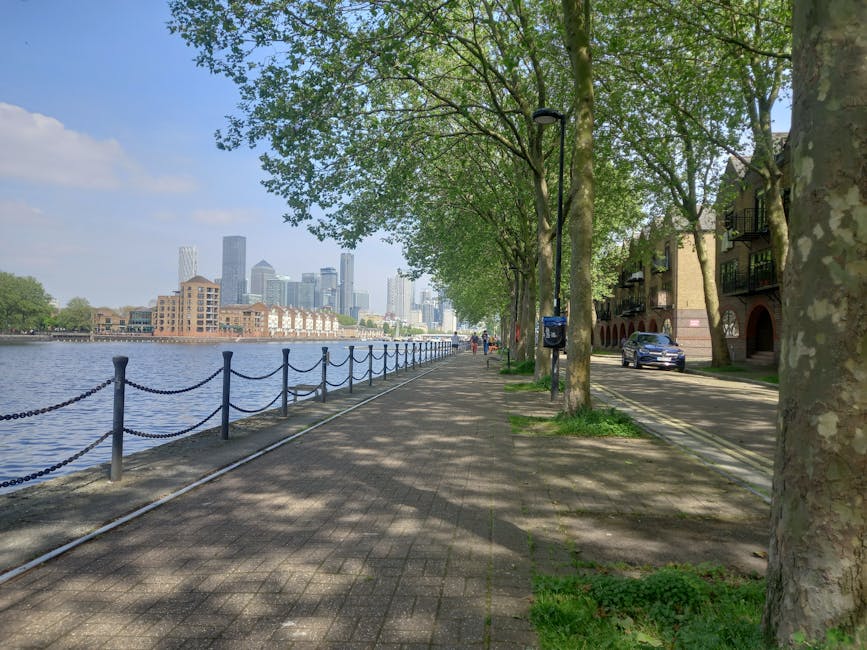
Greenland Dock gardeners guide for small yards and balconies
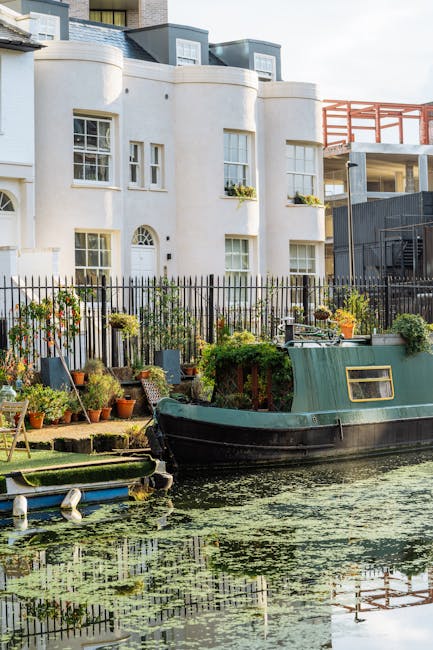
If you live near Greenland Dock, you already know the charm is in the details: a compact outdoor space catching the morning light, a balcony that feels a bit too windy by tea-time, and a small yard that has to work harder than most. This Greenland Dock gardeners guide for small yards and balconies is built for exactly that reality. It shows how to make a tiny plot feel greener, calmer, and much more useful without turning it into a maintenance headache.
The good news? Small spaces can be brilliant. They just need sharper decisions. The right containers, a sensible planting structure, a little wind protection, and a few clever vertical tricks can completely change how the space feels. Truth be told, it is often the smaller gardens that end up looking the most polished, because every choice counts. Let's make yours one of them.
In this guide, you'll find practical planting ideas, layout advice, seasonal know-how, a comparison table, a realistic example, and a checklist you can actually use. We'll also point you toward useful related reading like vertical gardening ideas, container gardening approaches, and herb garden inspiration where it genuinely helps.
Why Greenland Dock gardeners guide for small yards and balconies Matters
Greenland Dock and the surrounding London riverside setting can be a tricky but rewarding place to garden. Spaces are often compact, exposed to gusts, shaded by nearby buildings, or hemmed in by paving and railings. That means the usual "just add some plants" advice is not enough. A small yard or balcony needs a plan.
This matters because a well-designed compact garden does more than look neat. It softens hard edges, reduces visual clutter, and gives you a usable outdoor room instead of a forgotten corner. In a place where many homes rely on balconies or narrow courtyards, the garden becomes part of daily life, not a separate luxury. Morning coffee, a bit of fresh basil for dinner, a quiet chair after work. Small things, but they matter.
It also matters for plant health. In small spaces, pots dry out faster, wind stress is stronger, and poor soil shows up quickly. You cannot hide a weak setup for long. The upside is that, once you get the basics right, improvement is fast and very visible. That is satisfying in a way larger gardens sometimes are not.
If you are starting from a tired yard, or a balcony that currently holds little more than a chair and a couple of underused pots, a structured approach saves time, money, and a fair bit of frustration. For broader garden refresh ideas, you may also find garden makeover tips useful.
How Greenland Dock gardeners guide for small yards and balconies Works
The basic method is simple, though the details matter. You work top-down and edge-to-centre. Start with exposure, then storage, then structure, then planting. That order keeps you from buying plants first and trying to force them into a space they do not suit. We see that a lot, and to be fair, it is an easy mistake to make.
Think of your space as a series of zones:
- Microclimate zone - where does wind hit hardest, where does water collect, and which parts get the most sun?
- Structure zone - rail planters, trellis panels, slim benches, screens, or shelving that gives height without stealing floor area.
- Planting zone - containers, hanging pots, wall pockets, climbers, herbs, and compact shrubs.
- Use zone - a seat, a table, a place to dry washing, or a safe spot for children or pets.
Once those are mapped out, you can choose plants that suit the conditions rather than fighting them. For example, a balcony with afternoon sun and regular wind might handle thyme, sedum, compact grasses, and pelargoniums well. A shaded yard could be better served by ferns, ivy control, hellebores, and some of the best ground cover options discussed in this ground cover guide.
Vertical gardening is often the turning point in compact spaces. One narrow wall can take climbers, herbs, or even a small salad crop if it gets enough light. If you want a more focused breakdown, the article on vertical gardening is a strong next read.
Key Benefits and Practical Advantages
Small-space gardening has a few advantages people sometimes overlook. Yes, you have less room. But you also have less waste, less cost per improvement, and a tighter visual result when things are done well.
- Lower maintenance: fewer square metres means fewer weeds, less mowing, and easier pruning.
- Better control: you can manage soil quality, watering, and feeding more precisely in containers.
- Faster visual impact: one good planter or climber can transform the whole space.
- Flexible design: you can shift containers around until the layout feels right.
- Year-round interest: you can mix evergreen structure, seasonal colour, and useful edibles.
Another advantage is privacy. In a dockside or urban setting, a compact yard or balcony often feels overlooked. A smart arrangement of tall planters, climbers, or compact hedging can soften views without making the space feel boxed in. For more on that kind of screening, see fast-growing hedge options for privacy.
And yes, it can be beautiful. Not just "nice for a small space" beautiful. Properly layered, scented, and lit, a tiny garden can feel surprisingly luxurious. A lot of the best ones do.
Who This Is For and When It Makes Sense
This guide is for anyone trying to make the most of a modest outdoor area near Greenland Dock, but it especially suits:
- flat owners with balconies or roof terraces
- tenants who need portable, low-commitment ideas
- homeowners with narrow yards or paved courtyards
- people who want easy-care planting rather than a full landscape project
- gardeners who want privacy, colour, herbs, or wildlife interest in a small footprint
It also makes sense if your outdoor area has awkward conditions: wind, shade, patchy light, or limited storage. That is where compact design thinking pays off. Instead of trying to grow everything, you choose a few strong features and let them carry the space.
If you enjoy practical planting projects, you may also like designing a herb garden oasis or miniature garden container ideas. They suit small spaces beautifully.
Step-by-Step Guidance
1. Measure the space properly
Do not guess. Measure width, depth, railing height, and any awkward corners. Note where doors open and whether chairs can move comfortably. In a tiny garden, five centimetres can matter more than five plants. A little annoying, perhaps, but true.
2. Map sun, shade, and wind
Watch the space at different times of day. A balcony that looks sunny at 9 a.m. may be blustery and exposed by noon. A courtyard can have one warm corner and one permanently damp patch. This is the point where you stop seeing "the garden" and start seeing micro-conditions.
3. Decide the main job of the space
Ask yourself: do you want a sitting area, a food-growing corner, a decorative retreat, or a mix? Trying to do everything equally often creates a cramped mess. Better to choose one main purpose and let the rest support it.
4. Build structure before planting
Put in containers, shelves, a slim bench, trellis, hooks, or screens before you fill the space with plants. Structure gives you order. Without it, small spaces can look busy very quickly.
5. Choose the right containers
Use pots with drainage holes, stable bases, and enough depth for roots. Terracotta looks lovely but dries quickly; lightweight resin or fibreglass may suit balconies better because it is easier to move. If your balcony is exposed, heavier containers help stability.
6. Use layers
A good small garden has height, middle level, and ground level. For example: a climber on a trellis, medium pots with herbs or flowers, and a lower bowl planter with seasonal colour. That layering gives the illusion of depth. Simple trick, big payoff.
7. Plant in a clear palette
Pick a colour theme or planting mood. You might go green and white for calm, Mediterranean for warmth, or pollinator-friendly for movement and texture. Too many competing colours can make a small space feel even smaller.
8. Finish with lighting and comfort
Solar lighting, a weather-resistant cushion, or a compact bistro chair can change the atmosphere completely. You want the area to be usable, not just pretty at noon. A garden should invite you out there.
Expert Tips for Better Results
Here is where small-space gardening gets more refined.
- Prioritise foliage structure. Flowers are lovely, but leaves carry the design for longer. Evergreen or semi-evergreen plants help the space stay interesting in winter.
- Group pots by watering need. If one planter dries out twice as fast as another, your routine gets messy fast.
- Choose plants that forgive mistakes. Herbs like thyme and rosemary, compact grasses, heuchera, and some sedums are often more forgiving than delicate bedding plants.
- Keep one "hero" feature. This could be a climber, a statement pot, or a small tree in a container. One strong focal point makes a small space feel deliberate.
- Allow air movement. Crowding pots together can trap moisture and encourage pests. Give everything a bit of breathing room.
A small note on herbs: if you cook often, a balcony herb setup is one of the best returns on effort you can get. Fresh leaves within arm's reach. Nice, honestly. You may find the article on herb garden design especially useful if that is your direction.
For windier spots, look at windproofing your garden. That advice matters more near waterways than many people expect.
Common Mistakes to Avoid
Small yards and balconies are unforgiving of the usual beginner errors. Luckily, most are easy to avoid once you know them.
- Buying plants before checking conditions. A shady north-facing balcony and a sunbaked south-facing one are not remotely the same thing.
- Using pots without drainage. Waterlogged roots are a fast way to lose expensive plants.
- Overcrowding everything. It feels lush for about two weeks, then it feels cramped and hard to maintain.
- Ignoring wind exposure. Tall, top-heavy planters can tip. Tender leaves can shred. Even watering becomes awkward.
- Choosing thirsty plants for difficult spots. If you will not realistically water every day in summer, be honest about it.
- Forgetting access for cleaning. You still need to sweep, water, and move things around occasionally.
One more common issue: ivy and other vigorous climbers can get out of hand in a compact area if you do not keep them in check. If that sounds familiar, the guide on removing or controlling ivy is worth a look.
And if weeds are already sneaking into cracks and pots, do not let them settle in. A few consistent habits beat a big rescue job later. The article on weed control tips can help.
Tools, Resources and Recommendations
You do not need a shed full of kit. In small-space gardening, the right few tools matter more than quantity.
- Hand trowel and cultivator: for planting and refreshing compost.
- Watering can with a narrow rose: better control for pots and balcony edges.
- Secateurs: for deadheading, light pruning, and neat edges.
- Compost scoop or small spade: surprisingly handy when moving soil into containers.
- Strong gloves: useful if you are handling twigs, thorny stems, or rough planters.
- Plant ties and soft twine: for securing climbers without damage.
- Moisture meter or simply a finger test: because overwatering is still the quiet troublemaker.
If you are upgrading your kit, a practical overview of premium garden tools can help you choose well without buying odds and ends you never use.
For soil and feeding, compost quality is often the hidden difference between average and excellent results. Container compost should be free-draining but moisture-retentive, and it needs topping up as the season goes on. If you are interested in making better use of garden waste, the piece on turning waste into fertile soil fits neatly here.
Law, Compliance, Standards, or Best Practice
For most small yards and balconies, there is no complicated legal framework just for planting. But there are some sensible UK best-practice points to keep in mind.
If you live in a flat or managed building, check lease rules or building guidance before drilling, fixing heavy structures, or installing large planters on a balcony. Weight limits and drainage considerations matter. They are not glamorous, but they are important.
For rental homes, portable and non-damaging solutions are usually the safer route. Freestanding trellis, lightweight containers, and removable screening tend to be easier to manage if you move out later.
Safety also matters. Balconies should remain clear for access and should not be overloaded with wet compost, water butts, or heavy stone pots without proper consideration. If you are ever unsure, get a professional view rather than guessing. The page on insurance and safety is a useful reminder that gardening work can involve practical risks, even when the space is small.
For service expectations, quotations, and agreements, clear terms are always better than vague promises. If you are comparing help for larger tidy-ups, you may also want to understand terms and conditions and the approach to payment and security. Plain language, no surprises. That is the aim.
Options, Methods, or Comparison Table
Choosing the right approach depends on how much time, privacy, and colour you want. Here is a simple comparison to help you narrow it down.
| Approach | Best for | Pros | Watch-outs |
|---|---|---|---|
| Container planting | Balconies and paved yards | Flexible, portable, easy to refresh | Needs regular watering and feeding |
| Vertical gardening | Very tight spaces | Adds height, privacy, and more growing room | Needs secure fixing and stable support |
| Herb-focused setup | Cooking and scent | Useful, compact, good daily return | Some herbs hate winter wet or shade |
| Decorative planting | Relaxation and style | Strong visual impact, lower harvest pressure | Can feel ornamental if you wanted productivity |
| Mixed-use layout | Most small gardens | Balanced and practical | Needs careful planning to avoid clutter |
For many Greenland Dock homes, a mixed-use layout is the sweet spot: a small seating area, a few herbs, one climber, and a couple of structural containers. It looks thoughtful and stays usable. If you want inspiration for seating specifically, the article on creating perfect seating areas is a good companion piece.
Case Study or Real-World Example
Picture a narrow first-floor balcony facing a busy riverside path. It starts out with one plastic chair, a washing line, and a few tired pots collecting old compost. Not exactly a retreat. But with a bit of structure, it changes fast.
The first move is to clear the floor and keep only what is actually useful. Then add two matching tall planters to the corners, a slim bench against the wall, and a trellis panel for a climber. A tray of herbs sits near the door for easy access, and a few medium pots hold evergreen structure and seasonal colour. Suddenly the space has depth.
In the middle of summer, the balcony gives fragrance from thyme and lemon balm. In autumn, the climber keeps the eye moving upward rather than focusing on the narrow width. In winter, the evergreen planting still looks tidy from the kitchen window. It is not a show garden. It is better than that. It gets used.
That is the real goal in small-space gardening: not perfection, but daily usefulness with a bit of beauty mixed in. If your space has more shade than sun, you may also enjoy ideas for shaded nooks and green climbers.
Practical Checklist
Before you buy anything, run through this quick checklist:
- Have I measured the space accurately?
- Do I know how much sun and wind it gets?
- Have I decided the main purpose of the garden?
- Are my containers stable, draining well, and the right size?
- Do the plants match the light and exposure?
- Is there a clear way to water everything?
- Have I left room to move, clean, and enjoy the space?
- Do I have at least one vertical or height-adding element?
- Have I chosen a simple colour or planting theme?
- Will the layout still work in winter, not just in July?
Quick maintenance routine:
- Check moisture every few days in warm weather.
- Deadhead flowers and trim straggly growth weekly or fortnightly.
- Rotate pots now and then so growth stays balanced.
- Clear fallen leaves and debris before they build up.
- Refresh compost and feed container plants through the growing season.
If you want a broader seasonal reference, the guide on winter garden care is especially useful for exposed urban spaces.
Conclusion
A small yard or balcony near Greenland Dock does not need to be grand to be rewarding. It needs to be well judged. A little structure, a few right-sized plants, sensible containers, and a clear purpose can turn even the tightest space into somewhere calm, green, and genuinely pleasant to use.
Start with the conditions, not the wish list. Build upwards where you can. Keep the layout breathable. Choose plants that suit real life, not the dream version of your schedule. The result may be modest in footprint, but it can feel surprisingly generous in use.
If you are still deciding what to do with your outdoor space, or you want help shaping a plan that works in the real world, take the next step with confidence. Small gardens can be lovely. Balconies can be brilliant. And yes, yours can be both useful and beautiful.
Get a free quote today and see how much you can save.
Frequently Asked Questions
What is the best planting style for a small balcony in Greenland Dock?
Container planting with a vertical layer is usually the most practical. It gives you flexibility, keeps things portable, and lets you adapt to wind or shade without starting again from scratch.
How do I make a small yard feel bigger?
Use fewer, larger features rather than lots of tiny ones. Vertical planting, a simple colour palette, and clear floor space help the garden feel more open. A mirror can work in some settings too, though it needs careful placement outdoors.
Which plants work well in windy balcony spaces?
Compact grasses, hardy herbs, tough evergreen structure, and plants with flexible stems tend to cope better. Avoid tall, top-heavy varieties unless they are properly secured.
Can I grow herbs successfully in a tiny space?
Yes, absolutely. Herbs are one of the best small-space options because they stay useful, smell great, and often do well in pots. Thyme, rosemary, chives, mint in its own pot, and basil in summer are common choices.
How often should I water balcony containers?
There is no single rule, because sun, wind, pot size, and compost all affect drying. In hot spells, some containers may need daily watering. The finger test is often the simplest check: if the top layer is dry but the root zone still feels slightly cool, you may be fine.
Do I need special permission to add planters or trellis to a balcony?
Sometimes, yes. If you are in a managed building or rented property, check your lease, building rules, or management guidance before fixing anything into walls or railings. Freestanding options are often easiest.
What is the biggest mistake people make with small gardens?
Overcrowding. People buy a few nice plants, then another few, then a screen, then a chair, and suddenly there is no breathing room. Small spaces need restraint more than bigger ones do.
Are tall planters worth it in a small yard?
Usually yes, if they are stable and not too bulky. Tall planters add height and help with privacy, especially when paired with climbers or upright grasses.
How can I keep a small garden low-maintenance?
Choose hardy, slow-to-moderate growers, group plants by watering needs, use mulch or top-dressing in larger containers, and avoid creating too many separate areas that each need attention.
Can I combine seating and planting in a very small courtyard?
Yes, and that is often the best use of the space. A slim bench with planters behind it, or a small foldable chair with one strong focal planter, can make the area feel intentional without crowding it.
What should I do first if my balcony is completely bare?
Measure the space, check exposure, decide on the main use, and buy structure before plants. Once the bones are in place, choosing the right planting becomes much easier.
Do small outdoor spaces need professional help?
Not always, but professional advice can save time if the space is awkward, exposed, or structurally tricky. If you want a finished result rather than lots of trial and error, expert support can be worthwhile.
For a next step, you can also explore more about the team behind the service, browse broader gardening services, or look into ongoing garden maintenance if you want your small space kept in good shape through the seasons.