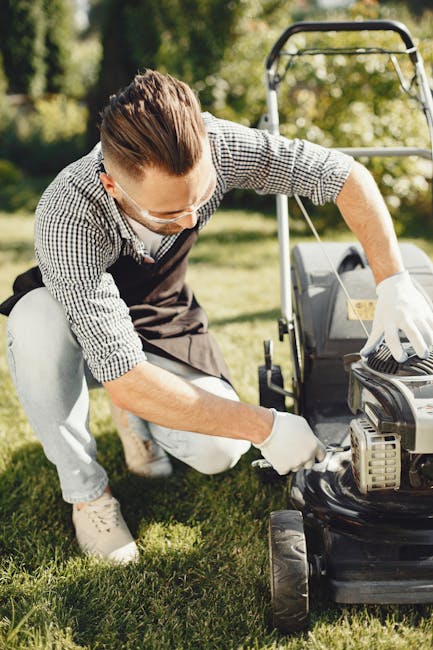
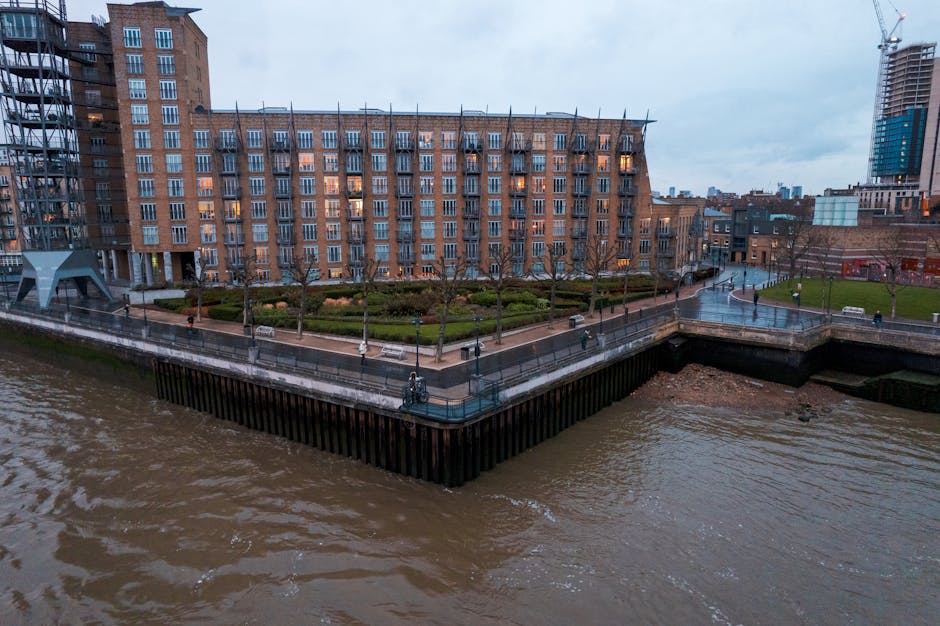
Surrey Quays Emergency Gardeners Lawn Repair: How to Avoid Delays and Get Your Lawn Back on Track
If your lawn has suddenly gone patchy, waterlogged, torn up, or flattened after bad weather or heavy use, you do not want a long wait and a lot of guesswork. You want help now, and you want the repair done properly first time. That is exactly where Surrey Quays emergency gardeners lawn repair avoid delays becomes a real issue for homeowners, landlords, and anyone trying to keep an outdoor space presentable in a busy part of London.
In Surrey Quays, gardens can be small, shaded, exposed to wind, or just heavily used, which means damage can move from "slightly annoying" to "seriously urgent" very quickly. This guide explains how emergency lawn repair works, what causes delays, how to reduce them, and what good service looks like in practical terms. You will also find a checklist, a comparison table, and the kind of down-to-earth advice that helps when time is tight and the grass is not exactly waiting politely.
Table of Contents
- Why It Matters
- How It Works
- Key Benefits and Practical Advantages
- Who This Is For and When It Makes Sense
- Step-by-Step Guidance
- Expert Tips for Better Results
- Common Mistakes to Avoid
- Tools, Resources and Recommendations
- Law, Compliance, Standards, or Best Practice
- Options, Methods, or Comparison Table
- Case Study or Real-World Example
- Practical Checklist
- Conclusion
- Frequently Asked Questions
Why Surrey Quays Emergency Gardeners Lawn Repair Avoid Delays Matters
When a lawn is damaged, time is not just money; it is the difference between a tidy repair and a bigger, more stubborn problem. A torn or compacted lawn can quickly become bare ground, mud, weed pressure, and drainage trouble. Once that happens, the fix gets slower, pricier, and more visible. Not ideal, especially if you are trying to keep a property looking cared for between viewings, tenant visits, family events, or simply because you value the space.
In an area like Surrey Quays, where gardens often sit close to fencing, decking, patios, and shared access points, delays can make matters worse in a few ways. Foot traffic keeps chewing up the damaged area. Rain drives soil down into a hard crust. Moss and weeds move in. And if there is a shaded corner or a tree overhead, recovery can drag on even further. To be fair, grass is tougher than people think, but it has its limits.
Emergency garden response matters most when the damage is recent. Fresh turf tears, shallow ruts, pet damage, storm debris, and localised flooding are all easier to manage early. The longer you leave them, the more likely they are to affect root health and the soil beneath. That is why a fast, organised approach matters more than simply "getting someone round sometime this week."
If you are also dealing with surrounding issues such as overgrown boundaries or poor drainage from nearby beds, you may find it useful to read more about the challenges of turf under evergreens and ground covers that help stabilise difficult spots. Those topics often overlap with lawn repair more than people expect.
How Surrey Quays Emergency Gardeners Lawn Repair Avoid Delays Works
Emergency lawn repair is usually less about drama and more about sequence. A good gardener looks at the cause first, then chooses the quickest repair that will actually last. That is the difference between a cosmetic patch and a solution that holds through the next wet week, dog dash, or family barbecue.
The process often starts with a quick assessment. Is the lawn suffering from shallow surface damage, deeper soil compaction, poor drainage, fungal stress, or something more structural like root disturbance? A fast diagnosis prevents the wrong fix. For example, laying fresh turf over compacted soil without loosening it is a classic short-term win and long-term headache. Looks fine for a minute, then disappoints you later. Annoying, but common.
After assessment, the gardener will normally decide between one of a few approaches: levelling and overseeding, patch turf replacement, soil improvement, aeration, drainage corrections, weed and debris removal, or a combination. In an emergency, the priority is to stabilise the damaged area, stop further loss, and create conditions where recovery is realistic.
Response speed depends on several practical things: access to the garden, how much material is needed, how much of the lawn is affected, weather conditions, and whether the area is safe to work in. A narrow side passage, fragile edging, or a soaked lawn can all slow things down. The best teams work around those obstacles rather than pretending they do not exist.
If your lawn issue sits within a broader maintenance picture, it can help to understand linked services such as lawn care, garden maintenance, and general gardening services. Those pages are useful because lawn repair is often only one piece of the puzzle.
Key Benefits and Practical Advantages
Fast lawn repair is not just about making the garden look neat again. Done properly, it protects the lawn's structure, limits knock-on damage, and helps you avoid a bigger seasonal repair bill later on. In practical terms, that can mean less bare soil, fewer weeds, and less time spent chasing the problem after every rain shower.
- Faster visual recovery: Useful if the garden is overlooked, on show, or simply bothering you every time you look outside.
- Better root survival: Quick intervention reduces stress on grass plants and nearby soil life.
- Less weed invasion: Bare patches are like open invitations for opportunistic weeds.
- Reduced compaction and puddling: Early repair can stop traffic damage from turning into drainage issues.
- Improved safety and usability: Mud, holes, and uneven patches can be slippery or awkward, especially for children and older adults.
- More reliable scheduling: A well-planned emergency visit is usually more efficient than repeated call-backs.
There is also a less obvious benefit: confidence. When a lawn is being managed quickly and sensibly, you stop feeling as if the garden is constantly slipping away from you. That sounds small, but it matters. A tidy patch of grass can make a whole outdoor space feel settled again.
For long-term improvement, some lawns need more than repair. If shade or garden layout is part of the problem, you may want to explore low-effort garden ideas or even green climbers for shaded areas so the same weak spot does not keep failing every season.
Who This Is For and When It Makes Sense
This kind of urgent lawn repair is not only for dramatic storm damage. In fact, the most common cases are more ordinary than that. A garden party gets a bit lively. A delivery truck or builder's access route compresses part of the lawn. A dog repeatedly uses the same patch. A soaked corner turns to mush after a few weeks of rain. Nothing glamorous, but all of it can create a repair problem fast.
It makes sense to act quickly if you notice any of the following:
- bare or thinning patches spreading after use
- areas that stay waterlogged after rain
- soil surfacing after turf has lifted or been torn
- moss taking over weakened sections
- new turf not rooting properly
- edges breaking down near paths, patios, or decking
- visible rutting from bins, tools, or repeated foot traffic
Landlords and managing agents often need repairs for presentation reasons, but homeowners feel the pressure too. Let's face it, a rough lawn is one of those things you keep noticing from the kitchen window. The same goes for anyone trying to prepare for a sale, a letting inspection, or a family gathering. Time matters because the garden sets the tone before anyone even steps inside.
If the damage appears connected to trees, dense hedging, or structural garden changes, it may also be worth considering tree surgery or landscaping rather than treating the lawn in isolation. Sometimes the lawn is only complaining because something else around it is off.
Step-by-Step Guidance
Here is a practical way to approach emergency lawn repair without rushing into the wrong fix.
- Assess the damage carefully. Look at the size, depth, and likely cause. Is it surface wear, water damage, animal damage, or compacted ground?
- Clear the area. Remove debris, loose thatch, broken turf, branches, stones, and anything else that would block repair.
- Check moisture levels. A very wet lawn needs different treatment from a dry, dusty one. Working wet soil too early can worsen compaction.
- Prepare the soil. Light scarification, loosening, levelling, and adding topsoil where needed creates a stable base.
- Choose the right repair method. Overseed thin areas, patch turf where gaps are large, or combine both if the lawn is patchy and uneven.
- Press and water correctly. New seed and turf need contact with the soil, plus consistent moisture without drowning the area.
- Protect the repaired section. Limit foot traffic, keep pets off the area, and mark it if necessary.
- Monitor and follow up. Early aftercare matters. A repair that is ignored in week one can fall apart by week three. Happens all the time.
In real terms, the best emergency repairs are usually calm, methodical, and slightly boring. That is a compliment. You want the job to be steady, not theatrical. A gardener with a clear plan can often recover much more ground than someone who just throws down turf and hopes for the best.
If weeds, ivy, or boundary clutter are part of the delay, those need dealing with early too. A lawn cannot recover cleanly if it is fighting through aggressive competition. You may find the guidance in weed control tips and ivy clearance advice useful for the wider picture.
Expert Tips for Better Results
Here are the practical details that tend to separate a decent repair from one that actually lasts.
- Do not work the soil if it is too wet. You can compact it further and create a worse base than the one you started with.
- Match the repair method to the cause. Shade, drainage, and wear all need different solutions. One-size-fits-all is lazy and rarely effective.
- Use topsoil or lawn dressing where levels have dropped. A patch that sits too low will hold water and fail again.
- Keep sharp transitions smooth. The edge of a repair should blend into the surrounding lawn, not look like a thumbprint on a clean shirt.
- Think about ongoing pressure. If the same route is used daily, consider a better pathway or ground cover nearby.
- Inspect nearby features. Overhanging shrubs, fence lines, decking edges, and patio runoff can all affect how the grass performs.
One little thing many people overlook: lawn repairs need breathing room. If a repaired patch gets boxed in by heavy shade or recurring splashback, it may never settle properly. That is why small layout changes sometimes do more good than a full re-turf. A bit more light, a bit less compaction, and suddenly the whole area behaves better. Funny how that works.
If you like reading around the subject before making a decision, this guide to useful garden tools is a sensible companion piece, especially if you like understanding what good work actually involves.
Common Mistakes to Avoid
Emergency lawn repair goes wrong most often because people try to move too quickly without checking the basics. That is understandable. The lawn looks bad, so the instinct is to cover it up and move on. But rushed repairs tend to show their weakness later.
- Ignoring the cause: Repairing the symptom while leaving drainage, shade, or compaction untouched.
- Using too much water: Newly repaired turf or seed needs moisture, not a swamp.
- Walking on fresh repairs too soon: Even a few careless steps can flatten young roots or disturbed soil.
- Matching turf badly: A patch that looks obviously different can spoil the finish, even if it grows in eventually.
- Skipping soil prep: This is the classic shortcut that causes repeat problems.
- Leaving nearby clutter in place: Old compost, garden waste, or broken edging can interfere with access and aftercare.
Another mistake is assuming every patch can simply be "reseeded and sorted." Sometimes, yes. Other times the damage is too deep, or the site is too shaded, and a different strategy will save you time. Good gardeners are happy to say that out loud. It is better to be clear than cheerful for no reason.
For gardens where shade is the real enemy, these resources may help you think more broadly: diverse ground cover options and ways to make the garden more resilient in bad weather.
Tools, Resources and Recommendations
You do not need a shed full of specialist kit to understand lawn repair, but the right tools make the job cleaner and quicker. For emergency work, the usual essentials include a rake, sharp spade, edging tool, wheelbarrow or trug, topsoil, seed or turf, a watering can or hose, and a roller or board for pressing the repair into place.
That said, tools are only part of the story. The real resource is good judgement. A nice rake will not rescue a badly chosen repair method. Still, decent equipment helps with precision, especially in small Surrey Quays gardens where access can be tight and every inch matters.
Useful adjacent services and reading can also save time later. For example:
- Lawn mowing is often the follow-up step once repairs have taken.
- Patio cleaning can remove the surrounding mess that makes the lawn area feel unfinished.
- Decking services may be relevant if boards or edges are causing shade or water issues.
- Fencing matters when boundary conditions affect light, access, or privacy.
If your lawn has failed because of seasonal pressure, the article on winter garden best practices can help you think about prevention as well as repair. And if the space needs a wider reset, garden makeover tips offer a useful starting point.
Law, Compliance, Standards, or Best Practice
For a typical lawn repair, there is usually no complicated legal process. Even so, best practice still matters. Garden work should be carried out safely, with attention to access, trip hazards, lifting, sharp tools, waste handling, and the condition of the site. If a repair team is using machinery or working near fragile structures, a careful approach is not optional.
In the UK, customers usually expect gardeners and contractors to work in a way that reflects reasonable health and safety standards, respectful handling of property, and clear communication about what will and will not be done. That may sound obvious, but it is worth saying because urgency can make people skip the sensible part. Not a great idea.
For your peace of mind, it is sensible to understand the provider's policies around health and safety, insurance and safety, terms and conditions, and payment and security. If you are comparing options, these pages tell you a lot about how seriously a business treats the practical side of the work.
There are also useful trust signals in how a company handles wider responsibilities, so pages like privacy policy, cookie policy, modern slavery statement, and accessibility statement can help you judge professionalism. That might feel far removed from a lawn repair, but in real life it often reflects how organised the business is overall.
Options, Methods, or Comparison Table
Different lawn repairs solve different problems. Here is a plain comparison to help you decide what usually makes sense.
| Method | Best For | Speed | Durability | Notes |
|---|---|---|---|---|
| Overseeding | Thin but still stable lawns | Moderate | Good if soil is healthy | Works best when the area is prepared well and kept moist. |
| Patch turfing | Bare spots, torn sections, visible damage | Fast visual fix | Very good if laid properly | Needs level soil and careful aftercare. |
| Aeration and topdressing | Compacted lawns and poor surface structure | Medium | Strong longer-term support | Often part of a repair, not the whole answer by itself. |
| Drainage improvement | Waterlogged or consistently wet areas | Slower | High | More invasive, but often necessary for recurring problems. |
| Full lawn replacement | Severe failure or widespread damage | Fastest reset, not fastest outcome | High if maintained | Useful when patching would just drag the problem out. |
So which is best? It depends on whether the lawn is fundamentally healthy underneath. A patch on a good base can recover beautifully. A patch over bad soil? That is often just a temporary disguise. Sometimes you need to be honest and do the slightly bigger job. No shame in that.
Case Study or Real-World Example
Here is a realistic example from the kind of situation people deal with all the time. A Surrey Quays garden had a small lawn beside a paved seating area. After a wet spell and repeated foot traffic, one section near the path became rutted and muddy, while another corner stayed thin because it sat in shade for most of the day. The owner wanted it sorted quickly because guests were due that weekend. Of course they were.
The first step was not turfing. It was inspection. The muddy section turned out to be compacted and slightly low, which meant water was lingering there. The shady corner was not a drainage problem at all; it simply needed a different approach because the grass had been struggling under low light. The repair plan used two methods: levelling and patch turfing in the traffic area, plus overseeding and light topdressing in the weaker corner.
What made the repair move quickly was simple: the area was cleared before the team arrived, the access route was unobstructed, and everyone knew the goal was stabilisation first, perfection second. By the following week, the lawn looked much calmer and the muddy patch had stopped spreading. The owner did not need a dramatic transformation. They needed the garden to stop looking tired and uncertain. That is often the real job.
If a similar problem is repeated by shade or border pressure, it can help to read about turf under evergreens and ways to improve shaded garden corners before the next repair cycle begins.
Practical Checklist
Use this quick checklist before you book or carry out a repair.
- Identify the main cause of damage: wear, weather, shade, pets, or drainage.
- Measure how much of the lawn is affected.
- Check whether the soil is wet, dry, compacted, or uneven.
- Clear debris, loose turf, and any garden clutter around the repair area.
- Decide whether the issue needs seed, patch turf, aeration, or a broader fix.
- Confirm access for tools, materials, and waste removal.
- Make a plan for aftercare, especially watering and traffic control.
- Look at nearby features that may be causing repeat problems.
- Review safety, insurance, and payment details before work begins.
- Check whether the same issue has happened before. If yes, there is likely a root cause to solve.
Expert summary: the fastest lawn repair is rarely the best one unless it also addresses the cause. A careful diagnosis, the right repair method, and sensible aftercare will almost always outperform a rushed patch job. That is the boring truth, and also the useful one.
Get a free quote today and see how much you can save.
Conclusion
Emergency lawn repair in Surrey Quays is all about speed with judgement. You want the damage dealt with quickly, but not so quickly that the problem returns in two weeks with a smug little grin. The best outcome comes from understanding the cause, choosing the right method, and avoiding the common traps that slow recovery or waste effort.
If you have a damaged lawn right now, do not wait for it to sort itself out. Grass rarely does that, at least not in the time you want. Act early, use the right service, and treat the repair as part of the wider garden picture. That approach saves delay, money, and a fair amount of frustration.
And honestly, when a lawn comes back well, the whole garden feels lighter. You can see it, even on a grey London afternoon.
Frequently Asked Questions
How quickly can emergency lawn repair usually start in Surrey Quays?
It depends on the size of the damage, access to the garden, the weather, and what materials are needed. Small repairs can often be assessed and started quickly, while bigger jobs may need a proper plan and materials ordered in first. The main thing is to act early so the problem does not spread.
What counts as an emergency lawn repair?
Anything that is getting worse fast or making the garden unsafe, unusable, or visibly deteriorating can count. Common examples include storm damage, flooding, major bare patches, torn turf, or heavy compaction after access work.
Should I reseed or re-turf a damaged lawn?
Reseeding works better for thin or lightly damaged areas with decent soil underneath. Re-turfing is usually better when the damage is more obvious, the patch is bare, or you need a faster visual result. A good gardener will often use both methods where needed.
Why do lawn repairs get delayed?
Delays usually happen because the cause has not been diagnosed properly, access is awkward, the weather is too wet, or materials are not ready. Sometimes the biggest delay is simply waiting too long before asking for help.
Can a lawn repair be done in wet weather?
Sometimes limited work can be done, but very wet ground is tricky because it compacts easily and can make repairs fail. A professional will usually judge whether the site is workable or whether waiting a little will save time in the long run.
How do I know if the lawn problem is drainage-related?
If water sits in the same area after rain, if the ground feels spongy or sour, or if moss keeps returning in the same patch, drainage may be part of the issue. It is not always the only problem, though. Shade and compaction often join the party as well.
Will emergency repair stop weeds from coming back?
It can reduce weed pressure if the lawn is repaired properly and aftercare is consistent. But weeds return quickly where soil is bare, weak, or repeatedly disturbed. Good repair and good lawn care go hand in hand.
How much preparation should I do before the gardener arrives?
Clear access paths, move furniture if you can, keep pets out of the way, and remove loose items from the lawn. If you can point out the worst areas in advance, that helps too. A tidy start often means a quicker finish.
Do I need a full lawn replacement if only one area is damaged?
Not usually. Many lawns recover well with patching, overseeding, aeration, or targeted soil improvement. Full replacement is more likely when the damage is widespread or the entire lawn base has failed.
What should I ask before booking a lawn repair service?
Ask what they think caused the damage, which repair method they recommend, how long the area will need to recover, what aftercare is needed, and whether the quote includes materials and disposal. Clear answers usually mean a better experience.
Can nearby trees or hedges affect how quickly a lawn recovers?
Yes. Shade, root competition, falling debris, and reduced airflow can all slow recovery. In those cases, it may help to look at related work such as hedging, tree management, or shade-tolerant ground cover options rather than only fixing the grass surface.
What is the biggest mistake people make with urgent lawn repairs?
The biggest mistake is treating the visible damage and ignoring the cause. If the soil is compacted, waterlogged, shaded, or being trampled daily, the repair will keep struggling. Solve the reason, and the lawn has a much better chance.